January 15, 2026
Choosing the right dumpster rental services is essential for managing waste efficiently and cost-effectively, whether for residential renovations, commercial construction, or large-scale cleanouts. With numerous providers available, understanding your project’s specific needs, local regulations, and service options ensures a smooth, hassle-free experience. By carefully evaluating factors such as dumpster size, rental duration, pricing, and environmental practices, you can make an informed decision that maximizes convenience, safety, and sustainability. The right dumpster rental services not only simplify waste disposal but also support responsible property management. Selecting reliable dumpster rental services ensures projects are completed on time and within budget, with minimal disruptions.
Understanding Your Specific Needs
Determining the type of waste you plan to dispose of is critical when choosing dumpster rental services. Residential projects might involve general household waste, while construction projects often deal with debris such as concrete and metal. Understanding the nature of your waste helps in selecting a provider that complies with disposal regulations specific to different waste types. Being upfront about your waste types with potential service providers can prevent complications and additional charges. This alignment ensures that the dumpster rental services can effectively handle and transport your waste, contributing to smooth project execution.
The scale and scope of your project directly influence the dumpster size you will need. A small home renovation might only require a compact container, whereas a commercial demolition might need multiple large units. Accurate assessment helps prevent underestimating or overestimating your requirements, thus optimizing costs and ensuring efficiency. Aligning your project scale with the dumpster capacity ensures that you've neither under-capitalized nor unnecessarily exceeded your waste disposal needs. Such projects are integral to property management, especially with over 296,000 property management businesses in the U.S., according to PropertyMeld, making maintenance a differentiating factor in this competitive market.
The length of time you'll need a dumpster is another vital consideration. Short-term projects might only require a few days of service, while ongoing projects could require weeks or even months of rental. Knowing your timeline allows you to negotiate better rates and avoids premature pickups which could disrupt your workflow. It also offers an opportunity to align with providers who have flexible rental agreements, thus accommodating potential extensions. Seasoned property managers often plan the rental duration meticulously as it impacts the overall cost and efficiency of the project handling.
Evaluating the Dumpster Sizes Offered
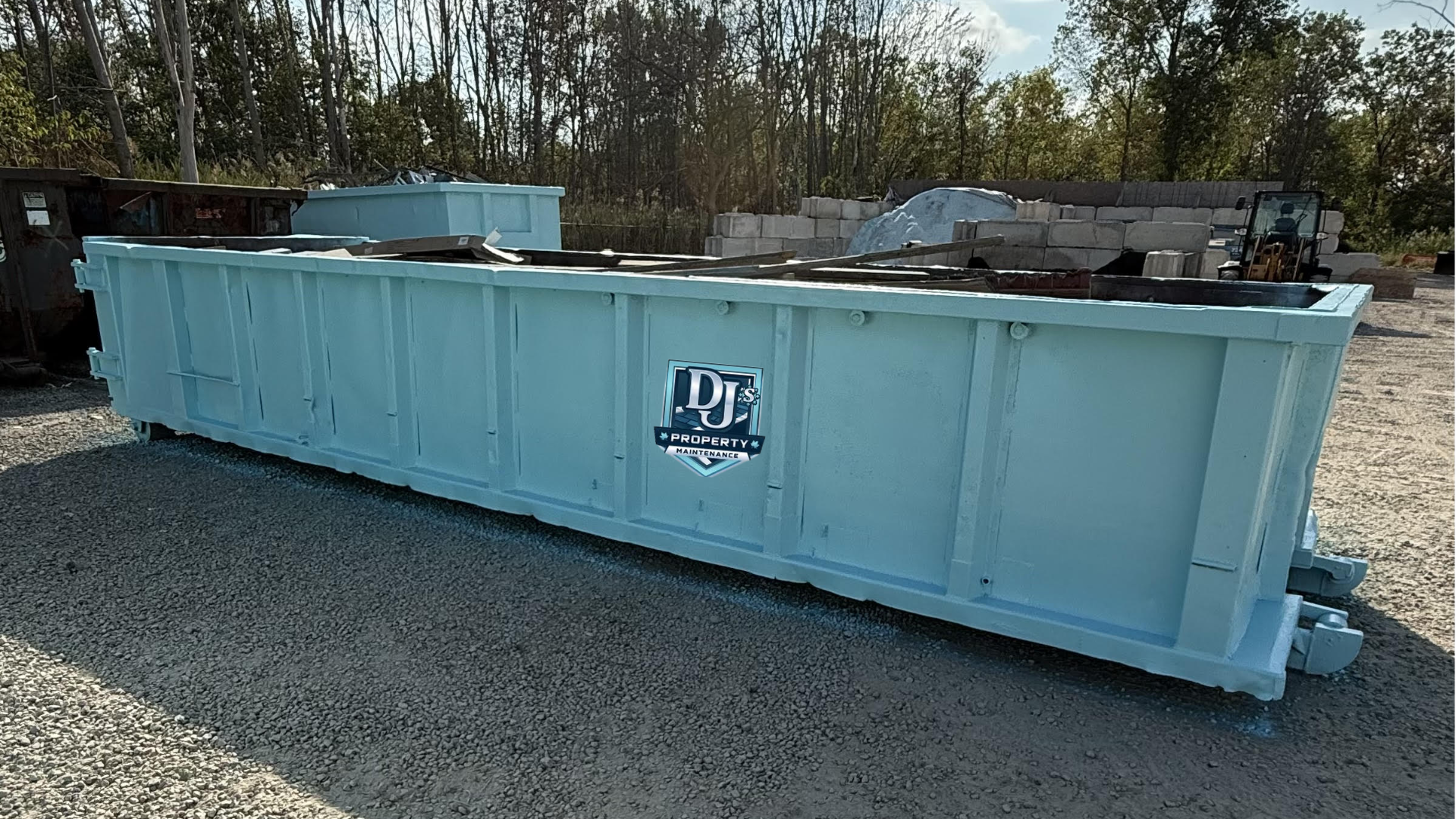
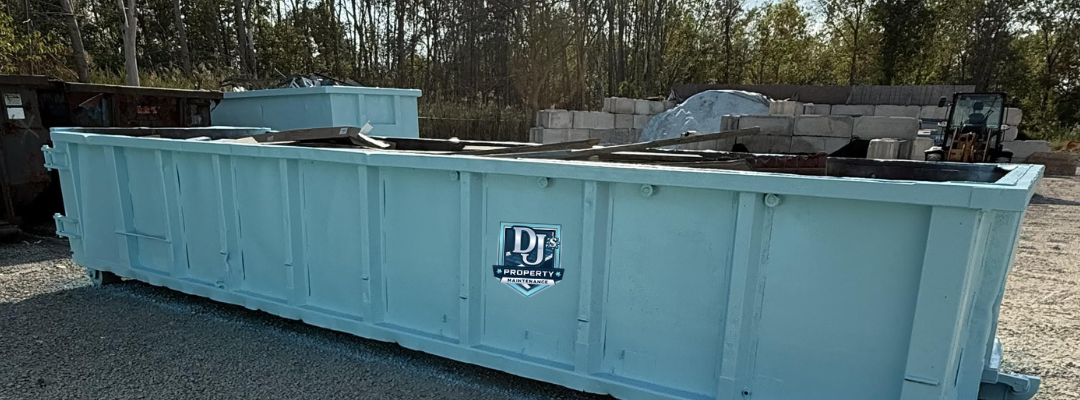
Dumpster sizes vary significantly between residential and commercial applications. Residential dumpsters often range from 10 to 20 cubic yards, suitable for small cleanouts or renovation projects. Conversely, commercial dumpsters can range up to 40 cubic yards, designed to accommodate large construction debris or extensive demos. Selecting the right size from the start reduces overall costs and operational inefficiencies. Understanding these differences is integral for property managers dealing with diverse project scopes, ensuring they can meet their varying waste management needs efficiently.
Common dumpster sizes include 10, 20, 30, and 40 cubic yards, each catering to different project types. A 10-yard dumpster suits small room cleanouts, while a 20-yard features more capacity for moderate renovations. A 30-yard dumpster can accommodate major home remodels, and a 40-yard is generally reserved for the largest construction or commercial projects. Making an informed selection ensures unnecessary costs are avoided while providing sufficient capacity for the scope of your project. Familiarizing yourself with these common sizes enhances decision-making, aligning with project requirements efficiently.
Comparing Pricing Structures
Flat-rate pricing offers simplicity with a predictable cost regardless of waste type or weight, whereas variable pricing fluctuates based on these factors. Flat-rates prove advantageous for projects with consistent waste volumes, ensuring upfront cost clarity. On the other hand, variable pricing can benefit projects with potentially lighter waste, providing cost savings under certain circumstances. Understanding which pricing structure suits your project best requires evaluating waste type and anticipated volume, factoring potential budget implications. Aligning pricing structures with project needs optimizes budget management and provides clear insights into waste management expenditures.
Watching out for hidden fees and additional charges is crucial in maintaining budget adherence. Some companies may impose extra fees for exceeding weight limits, travel distances, or specific waste types. Transparent discussions and quoting processes help avoid these unexpected costs, encouraging informed decision-making. Clients should seek comprehensive pricing breakdowns, allowing clear visibility into cost structures. In this competitive landscape, diligent cost management and transparency significantly boost operational efficiency, aligning with effective waste management standards.
Investigating Service and Support Quality
Timeliness of delivery and pickup is crucial in maintaining project schedules and reducing downtime. Late deliveries may delay project initiation, while early pickups disrupt planned waste disposal phases. Ensuring the provider guarantees punctual service helps streamline operations and avoid setbacks. It is advised to review provider track records or solicit client testimonials indicating their reliability in maintaining agreed timetables. Reliable and timely service providers positively contribute to operational efficiency, setting property management practices apart within a competitive market.
Availability of robust customer support assists in addressing issue resolutions and information queries promptly. Consistent and reliable customer assistance fosters smoother communication pathways essential during unexpected disruptions or inquiries. Assessing provider support capabilities preemptively ensures rapid assistance when needed, supporting operational continuity. Regular touchpoints with customer service can also enhance service satisfaction, ensuring the relationship remains productive and fulfilling. Prompt support and assistance reflect effective vendor-client relationships, enabling streamlined operational efficiency in property management contexts.
Analyzing Environmental Policies
Providers committed to sustainability contribute positively to environmental management, aligning with eco-friendly operational priorities. Engaging such providers supports responsible waste disposal methodologies, minimizing ecological impact and reinforcing community reputation positively. Evaluating provider policies relating to sustainability reinforces organizational commitments, ensuring partnerships advance environmental goals. Providers supporting environmental initiatives contribute to nurturing sustainable practices while maintaining operational efficiency in competitive environments. Identifying such providers facilitates responsible resource management, enhancing credibility within property management practices compared to market peers.
Providers with strong recycling capabilities can significantly offset landfill dependency, enhancing waste diversion rates productively. Partnerships with vendors emphasizing recycling reinforce environmental stewardship, reflecting positively on organizational waste management practices. Verifying provider recycling methodologies informs understanding of waste handling processes, ensuring alignment with administrative policies advocating sustainability. Recycling-focused vendors support sustainable management, contributing towards reducing environmental footprint without compromising operational efficiency. Aligning provider recycling capabilities with organizational sustainability goals underscores commitment to preserving environmental integrity.
Assessing Company Reputation and Experience
Company industry standing reflects service credibility, consistently engaging recognized providers assures alignment with reputable standards. Engaging established vendors ensures reliable service delivery and expert handling, minimizing uncertainties effectively. Industry positioning underscores provider competencies, aiding evaluations aligning organizational preferences with recognized service levels. Comprehensive assessments incorporate industry opinions, advancing strategic client partnerships promoting ethical vendor engagements. Well-regarded vendors enhance operational efficiencies, fortifying competitive positioning within property management landscapes collaboratively.
Assessing the years a company has been operating indicates stability and experience, highlighting their reliability in providing consistent service. Long-standing providers demonstrate expertise in navigating evolving industry landscapes, improving service continuity expectations. A provider's history informs understanding of their enduring capabilities to address varied client needs, supporting strategic alignment with operational objectives. Vendor tenures reflect their ability to adapt to market demands productively, enhancing client satisfaction through sustained service excellence. Leveraging maturity within vendor engagements reinforces project management effectiveness, supporting robust partnerships secured within competitive realms.
Industry awards and certifications validate provider capabilities, showcasing their dedication to service excellence, regulatory compliance, and operational efficiency. Recognized endorsements reinforce organizational choices favoring high-caliber service standards, differentiating vendors positively within competitive environments. Obtaining insights on certifications specifies adherence levels to approved practices, emphasizing commitment to quality control persistently. Engaging certified vendors indicates their competitiveness in leveraging recognized methodologies promoting effective service execution amidst market peers. Awarded vendors underscore commitments to continual improvements, enriching waste management deliveries benefitting broader property management operations.
Selecting the right dumpster rental services demands careful consideration of several crucial factors, from the specifics of your project needs to the reputation of the company. By evaluating the options available and aligning them with your waste management requirements, you ensure not only cost-effectiveness but also support for eco-friendly practices. Ultimately, well-informed dumpster rental services will lead to a smooth, hassle-free experience in managing your waste disposal projects. Engaging providers with clear environmental policies and strong reputational backgrounds enhances sustainability, reinforcing commitments to responsible property management. Leveraging comprehensive insights from evaluations enriches strategic provider partnerships supporting competitive waste management proficiencies robustly. Thoughtful dumpster rental services selections underpin effective project execution, contributing positively towards enterprise sustainability ambitions across dynamic market landscapes collaboratively.